An Interview with Jamie Andrews of Oklahoma
A Conversation About Waterfowl, Breeding, Exhibition, and the Future of the Fancy
Interview conducted by Austin Noah
1. What first got you interested in waterfowl, and how did your journey as a breeder begin?
Jamie Andrews:
I’ve always liked ducks. Even as a child, they were one of my favorite animals. I even drove the “duck truck” in college—a Ford Ranger with green front fenders, a white cab, and a canary-yellow bed.
I didn’t start raising waterfowl until I was much older, though. My dad had a few ducks, and I took a liking to them. Eventually, during the COVID-19 pandemic, I claimed his initial flock as my own.
After I started learning more about waterfowl, including the genetics behind colors and patterns, I discovered that they could be exhibited by 4-H and FFA students as well as adults. That’s when I really started to dive in.
What started as a pandemic hobby has turned into a true passion.
2. What breeds or varieties have you worked with throughout your career, and which ones have been the most meaningful to you? Why?
Jamie Andrews:
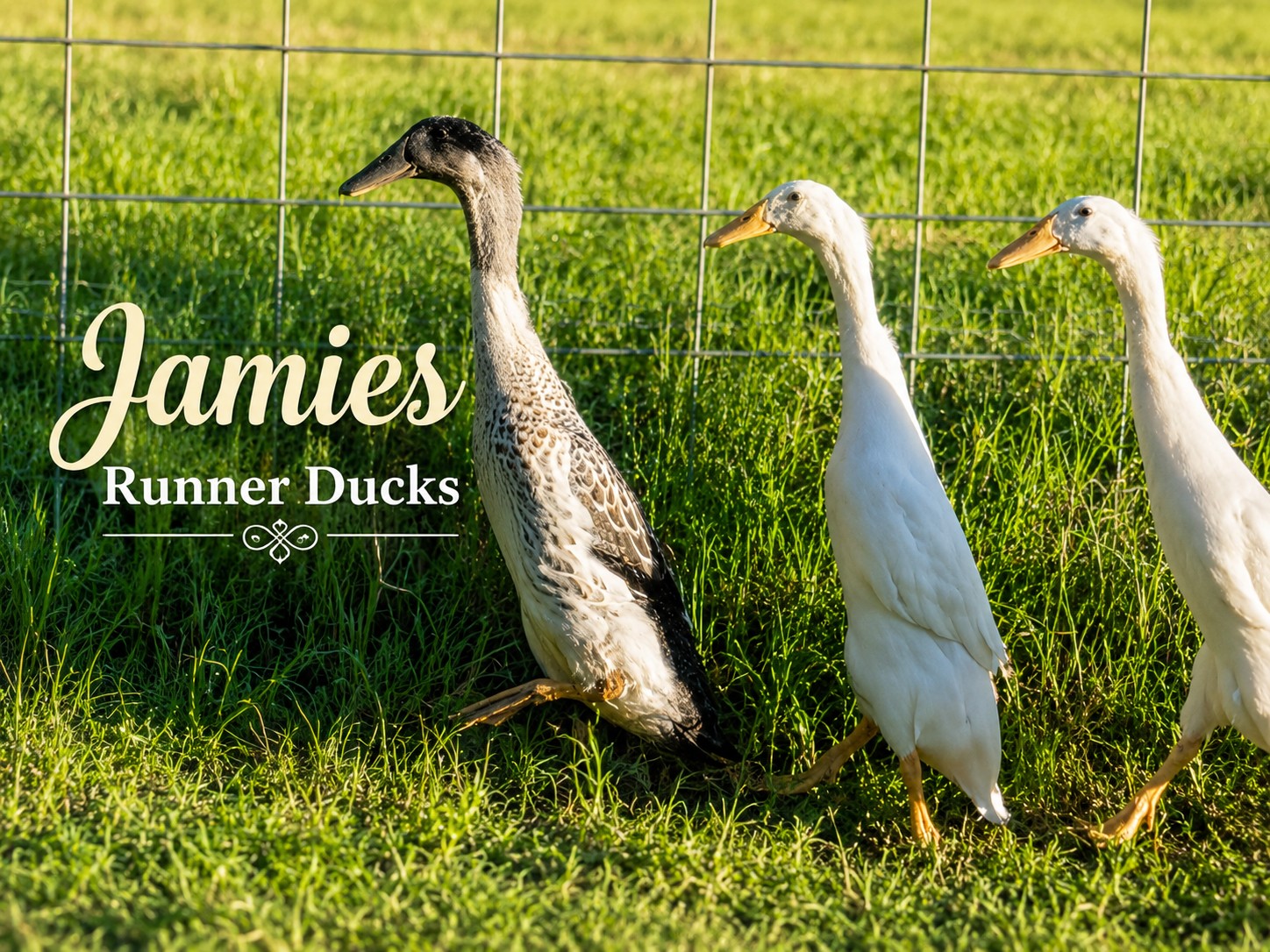
Indian Runner Ducks are pretty much what I’ve always worked with. I’ve tried raising Splash Ameraucana chickens, and I’ve had a couple of Cayugas and Pekins. I also took a stab at raising peacocks, but I always come back to Indian Runner Ducks.
They check several boxes for me as a breed. I like their quirky personalities, their unique physical appearance, and the fact that they don’t fly away, which makes cooping them easy. Not everyone raises them, either.
There are several APA-approved color varieties, with many more varieties defined in other countries. Working with Runner Ducks has also allowed me to meet and learn from amazing people all over the world because Runner Ducks are universally enjoyed.
3. Who were some of the people who influenced you or helped you learn the art of breeding and exhibiting waterfowl?
Jamie Andrews:
My parents, for starters. My livestock journey began as a child raising and exhibiting pigs and sheep. During that time, I learned a great deal about animal husbandry, understanding and deciphering genetics, discipline when it comes to providing high-quality care for show animals, and good sportsmanship during competition.
The lessons I learned showing large livestock when I was young are still applicable to raising and exhibiting waterfowl today.
Next would be you and Richard Peters. I had no idea how a poultry show actually operated or what it entailed until I met you guys and you taught me.
Finally, I would say the waterfowl community as a whole. I’ve had the opportunity to talk with Mike and Chris Ashton in the UK about the history of Runner Ducks and color genetics. Cindy Rusk and Bill Hopkins have always been willing to answer questions and support new people in the fancy.
I also appreciate those who have written books over the years, such as David Holderread’s Storey’s Guide to Raising Ducks and Jeff Dugauy’s Clucker Books. They have taken the time to record knowledge and information for future generations to learn from.
4. How have you seen the waterfowl fancy change from when you started until today?
Jamie Andrews:
The biggest change I can see in the waterfowl fancy is the growth of new and younger exhibitors.
My local county fair is a good example. Four years ago, there were only five birds entered during the fall fair. Now, we’re up to around 60 birds, and almost half of them are waterfowl.
More and more people are becoming interested in showing smaller livestock. Some are looking for a budget-friendly way to become involved in showing, while others simply want to branch out into something different. They’re taking a chance on showing ducks instead of chickens, and I think that’s exciting for the future of the hobby.
5. Looking back on your years with waterfowl, what accomplishment, bird, or memory are you most proud of, and what advice would you give someone just getting started?
Jamie Andrews:
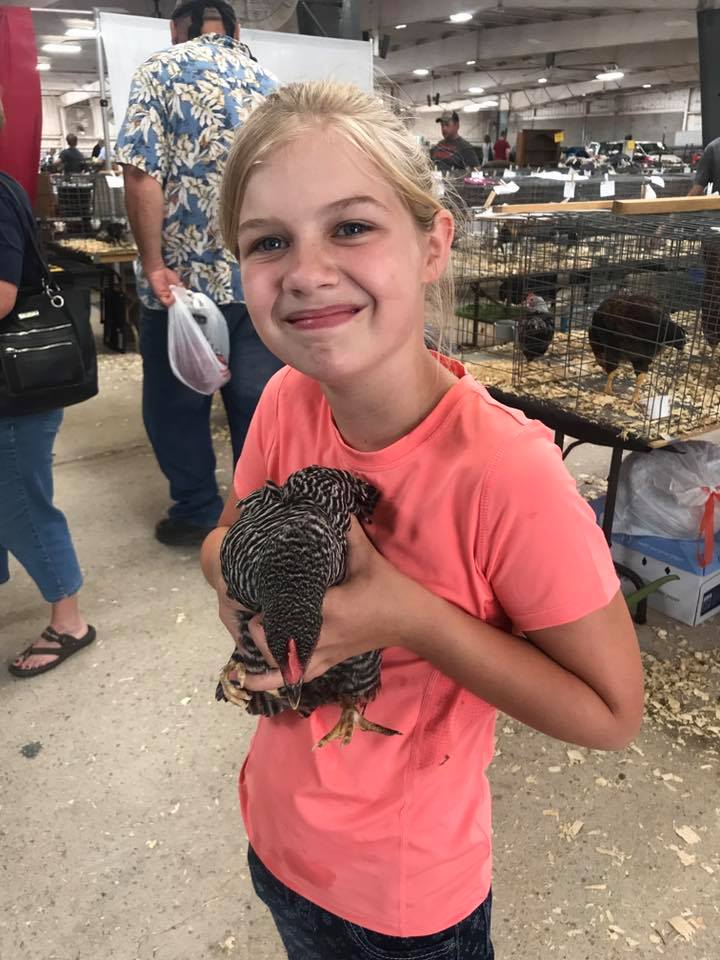
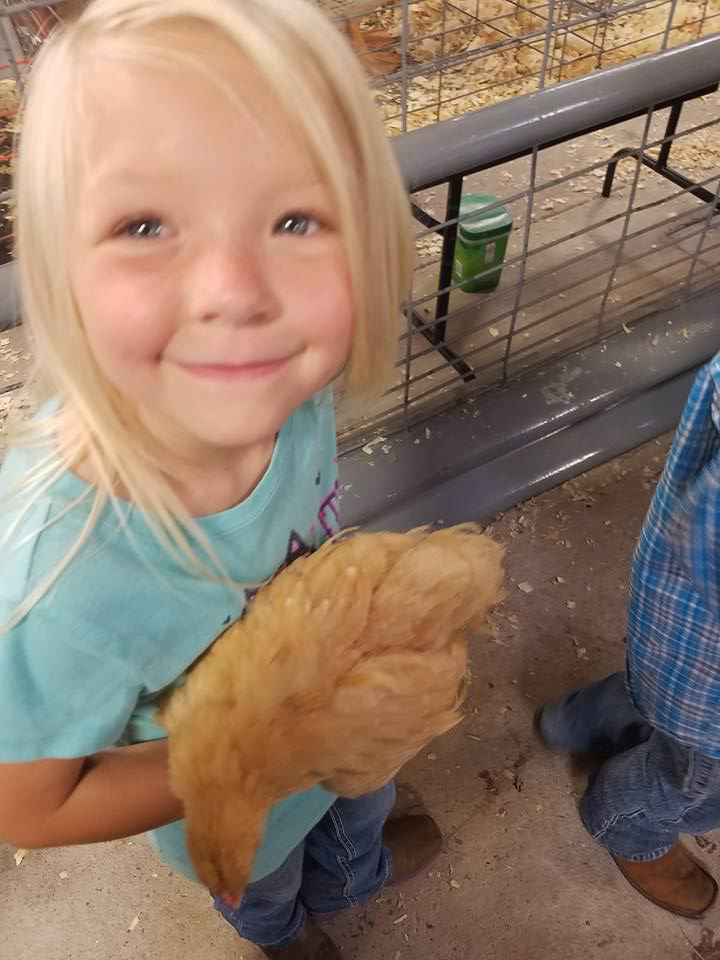
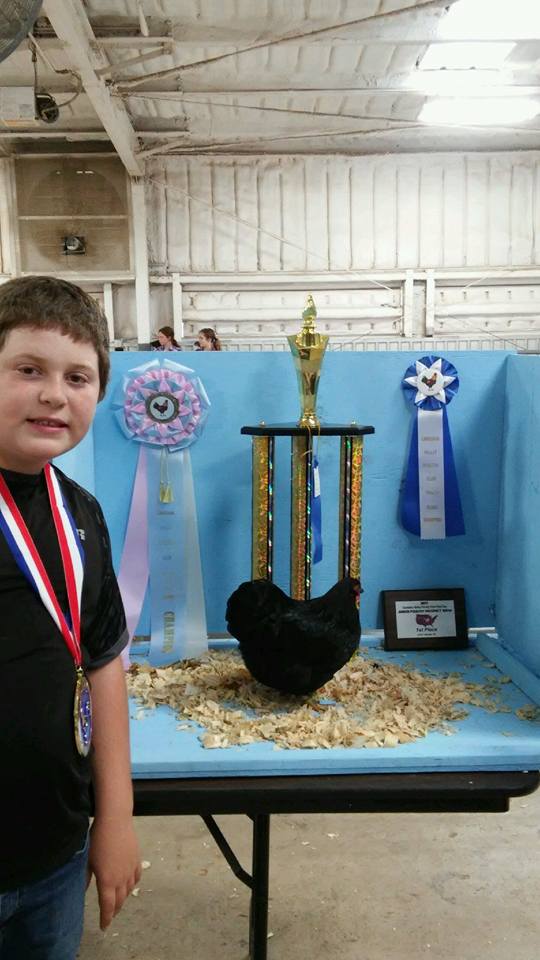
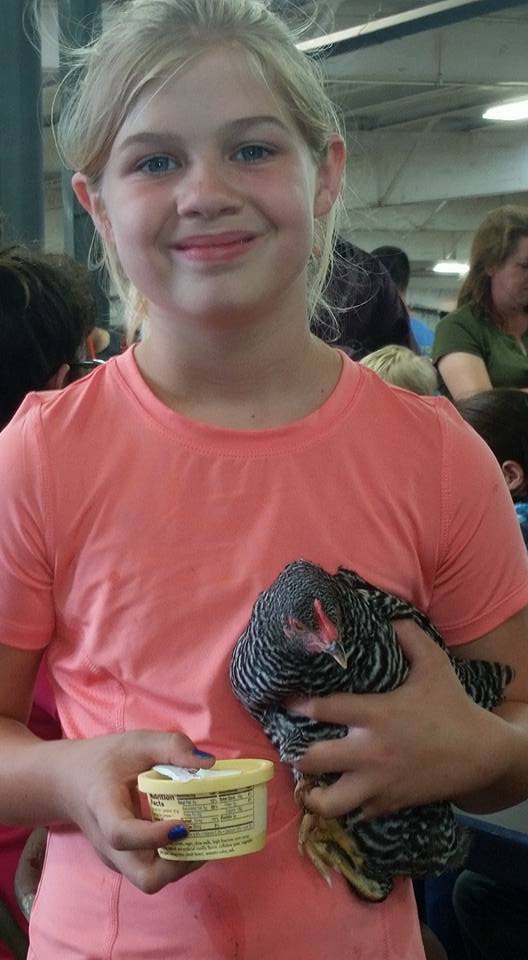
I am most proud of seeing the success of young exhibitors I’ve been able to help get started on their poultry journey. I am a huge supporter of youth in agriculture.
When one of them sends me feedback, a thank-you, or a picture of their smiling face showing how proud they are of their hard work, I know it is all worth it.
My advice to those just starting out, whether young or old, is simple: show up, observe, and ask questions.
Join an online poultry group. Observe, and ask questions. The poultry exhibition community is generous with knowledge and support. All you need to do is be there.
About Jamie Andrews
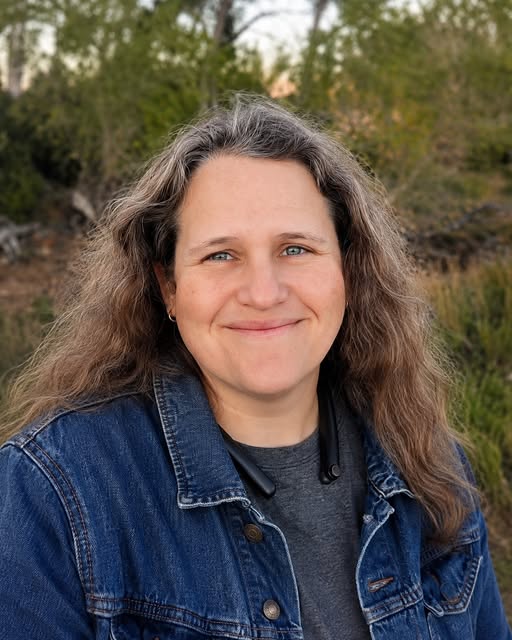
Jamie Andrews is a waterfowl enthusiast and breeder from Harrah, Oklahoma, whose journey into exhibition waterfowl began during the COVID-19 pandemic. What started as a hobby developed into a passion for Indian Runner Ducks, genetics, exhibition, and helping introduce the next generation to the poultry fancy.
Through her experiences with livestock, waterfowl exhibitors, breeders, mentors, and youth, Jamie continues to contribute to the growing community surrounding exhibition waterfowl
Interview conducted by Austin Noah
(816) 406-9167
Awesome Austin’s Pet Sitting
Cass County Poultry Project Assistant